
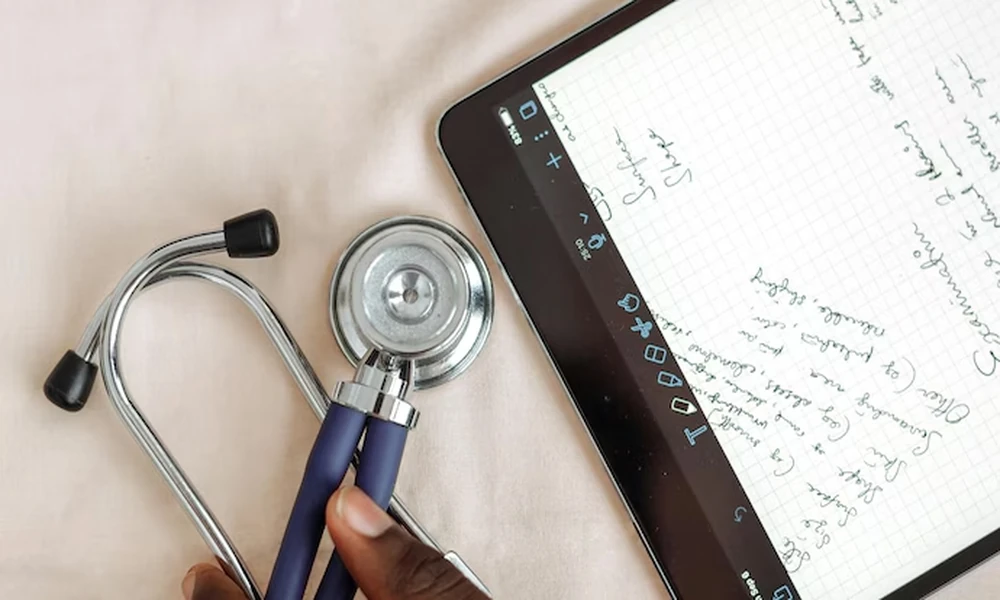
In healthcare, technology is transforming not just in terms of medical devices, but also in several other aspects. Everyday routines in hospitals, clinics, laboratories, pharmacies and healthcare companies are becoming more efficient with the help of digital tools, where patient care is enhanced, and information is managed. Technology is therefore providing new job opportunities and changing job skills requirements in health care.
Technology is broadening the range of healthcare careers available to professionals with both clinical and digital interests. As healthcare organizations adopt electronic records, telehealth platforms, data systems, and artificial intelligence, employees may find opportunities that combine healthcare knowledge with skills in technology, administration, data analysis, or cybersecurity. Building familiarity with these tools can help professionals adapt to changing workplace requirements while exploring roles beyond traditional clinical responsibilities.
A Digital Health Revolution in Progress.
The use of electronic health records, online appointment systems, telemedicine platforms, and digital health applications has become integral components of healthcare in the modern era. These technologies call for professionals who can oversee systems, safeguard information, support users and make sure digital services are functional. It has spurred an opportunity for individuals with a background in health care, technology, administration, and data management.
Growing Demand for Health Data Skills
Healthcare institutions produce vast quantities of data, ranging from patient records and lab test results to hospital performance metrics. Those who can compile, process and understand this information are available to assist healthcare professionals in making informed decisions. Associates working in health data analysis, clinical data management, health data informatics, and health data analytics are becoming more relevant with the increasing need of organisations to utilise information more effectively.
Artificial Intelligence in Healthcare
Artificial intelligence has also made an impact in the health care field. AI can assist with areas such as medical imaging, research, documentation, patient monitoring, and administrative tasks. But there is still a need for skilled professionals who comprehend healthcare practices and are able to use the technology effectively and responsibly.
This presents opportunities for individuals with the expertise to merge knowledge and skills in the field of healthcare with those of AI, data, or digital systems.
Telehealth Creates New Roles
With telehealth, patients can connect with healthcare providers without needing to always come to a hospital or clinic. This has created a growing demand for access professionals to assist with virtual appointments, appointment coordination, managing digital platforms, and technology assistance for patients.
For healthcare professionals, understanding digital communication and remote-care technologies can be an extra asset to the knowledge they already have in the traditional clinical space.
Cybersecurity Is Becoming More Important
Healthcare organisations have to deal with personal or medical information that is extremely sensitive in nature. The number of records and services on the internet keeps growing and safeguarding this data is crucial. This has given rise to the rise of the cybersecurity skills that are specifically targeted to healthcare environments.
The individual in this area can assist in the identification of security risks, protecting systems, managing system access, and responding to potential threats.
Technology does not supplant human skills.
While technology is becoming more advanced and automation and AI are taking the place of humans in certain industries, the healthcare sector is still a profession focused on humans. Communication, empathy, critical thinking, teamwork, and ethical decision-making remain critical. When dealing with a patient, technology can be useful but in no way replaces the human understanding needed.
Future of Healthcare
The healthcare industry is well-positioned to benefit from technology, which is opening up new career opportunities. Experts with a mix of industry expertise and digital abilities can take advantage of new opportunities. From patient care to data management, technology implementation, administration, and research, keeping a mindset of new tools and lifelong learning can help all healthcare workers create careers that are relevant in a changing industry.