
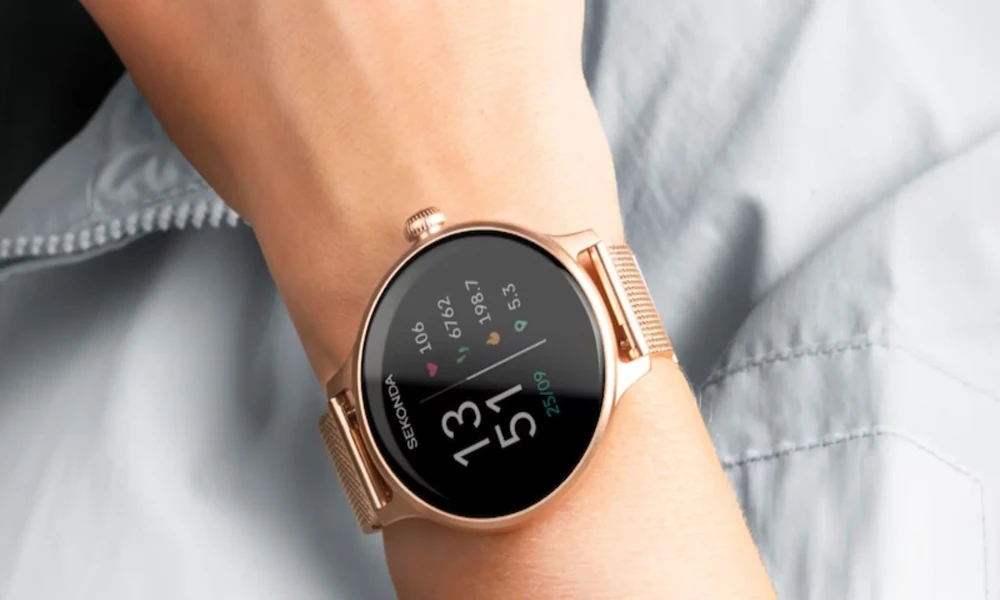
Lately, the quiet tap of a smartwatch on a wrist has come to represent more than a fitness nudge. For many women, it signals a powerful shift in how they monitor, understand, and take charge of their health. Smartwatches, long seen as tools for athletes and tech enthusiasts, now sit at the intersection of technology and self-care, reshaping the landscape of women’s wellness in ways few could have predicted.
How Smartwatches Are Revolutionizing Women’s Health Monitoring
Health data is personal, and for women, it can be deeply complex. Modern smartwatches aren’t just counting steps or calories. They’re tuned into nuanced menstrual cycle patterns, shifts in hormones, and the physical changes that accompany pregnancy. Suddenly, tracking subtle changes becomes as simple as glancing at your wrist.
These devices recognize that women’s health cannot be reduced to one-size-fits-all metrics. For instance, heart rate variability and stress levels may fluctuate with hormonal cycles, impacting everything from sleep quality to athletic performance. Having access to this information in real-time lets women anticipate changes and make more informed choices, whether planning a workout or preparing for a busy week.
Key Features Tailored for Women: Menstrual Cycle, Pregnancy, and Hormonal Tracking
Most leading smartwatches now offer dedicated menstrual tracking, allowing users to log symptoms, predict fertile windows, and monitor cycle regularity. Pregnancy tracking features bring tailored guidance, tracking everything from hydration reminders to changes in resting heart rate. These are not generic tools; they are crafted with input from women’s health experts and users alike, acknowledging that wellness is unique for every woman.
Case Study: Garmin’s Approach to Women’s Wellness
Garmin has emerged as a standout in this evolving market, designing wearables that blend robust health tracking with elegant design. The company’s commitment to women’s needs is apparent in its carefully curated features.
Overview of Garmin’s Women’s Health Features
Select Garmin watches offer menstrual and pregnancy tracking built directly into the operating system. Menstrual tracking enables users to input daily symptoms, emotional states, and flow levels, which the device then uses to predict upcoming phases or alert on potential irregularities. Pregnancy tracking mode goes further, offering week-by-week insights, reminders for hydration and Kegel exercises, and even adjustments for exercise recommendations based on each stage of pregnancy.
Real User Experiences: Tracking Menstrual Cycles and Fertility
For many women, these features are more than digital notepads. Take Emily, a marathon runner, who relies on her smartwatch to anticipate changes in energy and adjust her training. Or Maya, who found that logging symptoms provided valuable data during her fertility journey, giving her and her doctor a richer picture of her reproductive health. With smart notifications, women can discreetly stay aware of their bodies without flipping through apps or carrying extra devices.
Integration with Lifestyle: Sleep, Stress, and Activity Monitoring
Women navigate a balancing act of work, family, and self-care. Garmin’s watches integrate sleep tracking, stress management, and personalized fitness coaching, offering actionable insights instead of overwhelming stats. Features like Sleep Coach and Morning Report synthesize overnight data into meaningful advice for the day ahead.
Enhancing Physical Fitness and Mental Wellbeing Through Wearables
Gone are the days when fitness wearables were clunky step-counters. Today’s smartwatches offer guided workouts, real-time feedback, and recovery advice tailored for the female body. Women can receive suggested workouts that adapt after each session, factoring in recovery, sleep, and even where they are in their menstrual cycle.
Sleep tracking isn’t about chasing an arbitrary “perfect” night. Instead, coaching tools analyze sleep stages and stress signals, translating raw numbers into helpful suggestions, like adjusting bedtime or adding wind-down routines. Stress management, using heart rate variability, nudges users toward breathing exercises or gentle movement when levels spike.
The impact is clear in both professional athletes and everyday users. Some women credit their wearable with helping them spot early warning signs of burnout; others say it motivates them to stay consistent, even on busy days.
Navigating Challenges: Accuracy, Privacy, and User Experience
No device is perfect, and smartwatches face ongoing scrutiny over data accuracy and privacy. For women, the stakes can feel especially high, given the sensitive nature of menstrual and fertility information. Leading brands like Garmin encrypt personal data and allow users to control what is stored or shared.
The user experience is another critical factor. Devices must be easy to navigate, comfortable to wear, and inclusive in their design. Feedback from women has inspired slimmer profiles, more intuitive menus, and customizable display options (like discreet modes for period notifications).
Future Innovations and Trends in Women’s Health Smartwatches
The future of wearables is moving beyond fitness toward comprehensive wellness. Expect to see even more sophisticated hormone tracking, symptom prediction powered by AI, and seamless integration with telemedicine platforms. Industry experts foresee smartwatches serving as the bridge between daily life and healthcare providers, making preventive care truly proactive.
Practical Tips for Choosing and Using Smartwatches for Women’s Health
Selecting the right device comes down to personal health goals. Consider whether menstrual, pregnancy, sleep, or stress tracking is your top priority. Look for robust app ecosystems and community resources that foster accountability and learning.
To maximize value:
– Sync your device regularly and review trends, not just daily stats.
– Set achievable goals through the companion app, focusing on long-term wellness.
– If something seems off in your data, check for firmware updates or adjust how you wear the watch; sometimes, accuracy depends on fit and placement.
Smartwatches are not a replacement for medical advice, but they are changing the way women advocate for their health, one vibration at a time.