
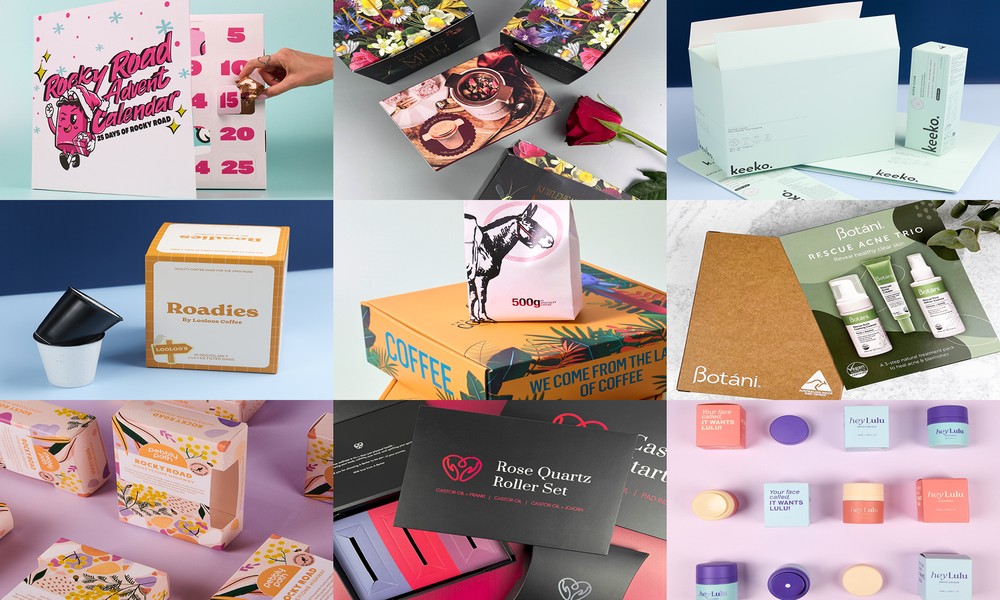
You already understand why packaging matters. I want to focus on how to think through custom box packaging in Australia in a way that saves time, avoids production mistakes, and gives you packaging that works in real use, not only on screen.
When I review packaging projects, I look at three things first. Fit, print quality, and how well the packaging supports the product and brand long term. That is the lens I use throughout this guide.
Early in the process, many businesses search for options like custom printed boxes Australia because they want something tailored, reliable, and locally supported. That decision point matters more than most people expect.
Why custom box packaging decisions matter
Custom box packaging affects more than presentation. It shapes cost, storage, shipping, and how customers experience the product the first time they touch it.
I see problems when packaging decisions are rushed or treated as surface level design work. Boxes that look fine online can fail during packing, transit, or printing. Others lock brands into structures that cost more to reorder later.
The goal is not to chase complexity. The goal is to choose packaging that fits your product, prints cleanly, and scales with your business.
Understanding custom cardboard boxes and structure
Custom cardboard boxes form the base of most packaging projects. The structure determines strength, ease of packing, and cost per unit.
Before choosing a box style, I suggest asking yourself:
- How the product sits inside the box
- Whether inserts are required for protection or presentation
- How the box will be packed at scale
- If the box needs to stack or ship efficiently
Standard tuck-end boxes work well for many products. Rigid boxes add weight and cost but suit premium items. Mailer boxes suit ecommerce but need strong board weight and correct folds.
Good suppliers help you choose structure based on real production constraints, not guesses.
Custom gift boxes and presentation value
Custom gift boxes introduce a different set of priorities. Presentation, opening experience, and finish become more important than raw shipping efficiency.
In gift box projects, I focus on:
- Clean opening and closing
- Consistent colour across batches
- Finishes that match brand tone, not trends
- Inserts that hold products securely without waste
Poorly planned gift boxes often suffer from mismatched finishes or weak hinges. Planning these details early avoids rework and added cost.
How custom box printing affects results
Custom box printing determines how your design appears in the real world. Screen colours do not behave the same way on board.
I recommend paying attention to:
- Board colour and how it affects ink
- Whether digital or offset printing suits your volume
- Use of Pantone colours when consistency matters
- White ink requirements on darker stocks
Print-ready artwork matters. Files built without print knowledge can lead to colour shifts, alignment issues, or finishes that do not line up correctly.
Why production knowledge matters in packaging design
Design and production should not be separate. I see many packaging issues caused by designs created without understanding dielines, layers, or finishes.
This is where The Packaging People stand out. They approach packaging design with production in mind from the start. Their designers work alongside production teams, which reduces the risk of artwork failing during manufacturing.
They support brands that do not have in-house packaging experience and help fix designs that are not suitable for print, including files created in tools like Canva that often need adjustment.
What to look for in a packaging supplier
When comparing packaging suppliers, I suggest focusing on process rather than promises.
Strong suppliers offer:
- Clear guidance through concept and production
- Dieline setup handled with precision
- Print-ready files prepared correctly
- Honest advice on materials and finishes
- Options that suit budget and future reorders
The Packaging People combine design support with manufacturing knowledge. They handle boxes, labels, and broader packaging formats, which helps keep ranges consistent across products.
Design support beyond boxes
Packaging rarely exists alone. Labels, brand visuals, and supporting elements matter.
The Packaging People provide visual identity design for brands that need more than a logo. They help define look and feel so packaging stays consistent across boxes, labels, and other touchpoints.
Their label design work benefits from close coordination with production teams, which improves print accuracy and finish quality.
Production timelines and planning
Packaging timelines vary by structure and print method. Planning early prevents delays.
Typical considerations include:
- Minimum order quantities, often starting at 250 units
- Digital proofs and approvals
- Optional physical samples
- Express versus standard production timelines
Understanding these steps early allows you to align packaging with product launches rather than reacting late.
Sustainability and material choices
Sustainability plays a growing role in packaging decisions. Material choice affects recyclability, finish, and durability.
The Packaging People offer recyclable and compostable options across many packaging types. They help brands balance environmental considerations with function and presentation.
Choosing the right material avoids greenwashing and ensures packaging still performs during storage and shipping.
Final guidance for choosing custom packaging
If you take one thing from this guide, let it be this. Packaging works best when design, structure, and production are treated as one system.
I recommend choosing partners who guide you through that system clearly and practically. Look for suppliers who explain trade-offs, not only options.
With experience across custom boxes, printing, and design, The Packaging People provide a path that helps brands move from idea to shelf with fewer surprises and better outcomes.
If you want packaging that looks right, prints cleanly, and works in real use, that approach makes all the difference.