
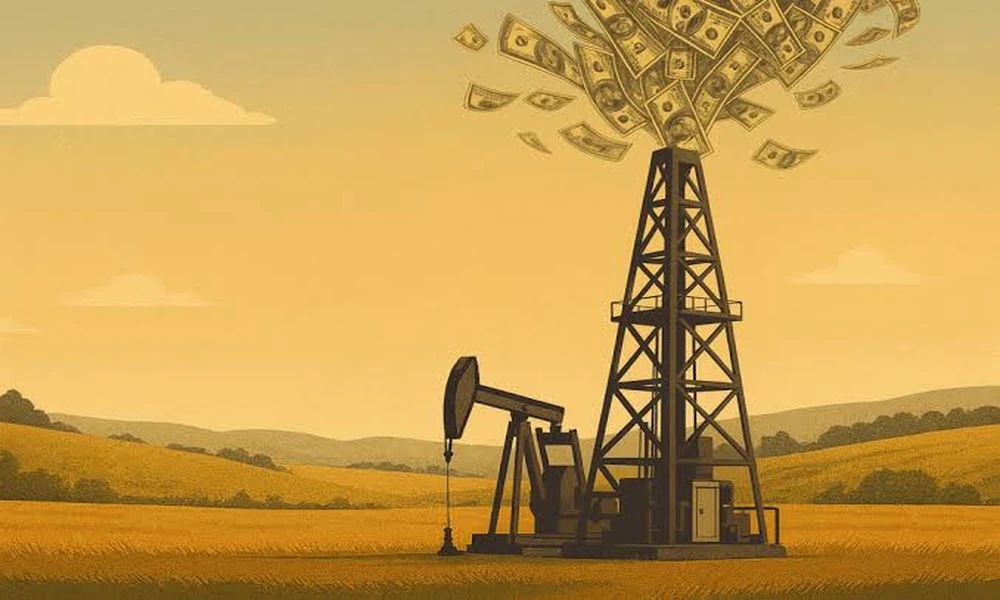
Understanding the Oil Well Investment Process
Understanding how oil well investments work begins with learning about the stages involved in evaluating, funding, developing, and operating an oil and gas project. These investments may provide exposure to energy production, but they also involve financial commitments, operational uncertainties, and risks that differ from those associated with publicly traded securities. Each project follows its own timeline, and neither production nor investment distributions are guaranteed.
The process generally begins with reviewing investment documents and assessing the project before committing capital. If the investment proceeds, the project may move through drilling, well completion, and production. Throughout these stages, expenses, operational decisions, and reporting requirements can influence the financial outcome.
Reviewing Documents Before Investing
Before participating in an oil well investment, investors should examine the offering documents, subscription agreement, operating agreement, and available financial projections. These materials explain the investment structure, ownership interests, fees, responsibilities, and potential risks.
Particular attention should be given to the proposed use of funds, estimated development costs, expected production, and assumptions about oil or natural gas prices. Investors should also identify any additional capital requirements, transfer restrictions, and conditions affecting distributions.
Independent legal, financial, and tax professionals can help clarify contractual obligations and identify provisions that require further investigation. Past project performance or estimated returns should not be treated as a guarantee of future results.
Completing the Subscription Process
Once an investor decides to proceed, the next step may involve completing a subscription agreement and providing the required documentation. The sponsor or investment administrator generally explains the applicable procedures, eligibility requirements, minimum investment amount, and payment instructions.
Investors should verify the identity of the relevant parties, understand the terms of the offering, and confirm how funds will be handled. They should retain copies of signed agreements and records of their investment.
Acceptance of a subscription does not necessarily mean drilling will begin immediately. Project funding, regulatory approvals, equipment availability, and other conditions may affect the start date.
Drilling and Well Development
Drilling involves creating a well to reach a targeted underground formation that may contain oil or natural gas. This stage requires specialized equipment, technical planning, trained personnel, and compliance with applicable regulations.
Costs can include site preparation, drilling services, equipment rental, materials, and labor. Unexpected geological conditions, mechanical difficulties, weather disruptions, or regulatory requirements can increase expenses and delay progress.
Drilling results are uncertain. A well may encounter less commercially viable resources than anticipated, and some projects may not proceed to production.
Completion and Preparation for Production
After drilling, a successful well may require completion activities to prepare it for extracting hydrocarbons. Depending on the project, these activities can include installing production equipment, preparing the wellbore, and implementing techniques designed to enable the flow of oil or gas.
Completion costs vary according to the well’s characteristics, location, technical requirements, and operating plan. Delays or additional work can affect the overall project budget and the expected start of revenue generation.
Production, Expenses, and Revenue
Once a well begins producing, revenue may depend on production volume, commodity prices, contractual arrangements, and transportation or processing costs. Operating expenses can include maintenance, labor, equipment servicing, utilities, and other ongoing requirements.
The amount distributed to investors depends on the investment structure and the terms governing revenue allocation, fees, reserves, and expenses. Production may decline over time, while changing market conditions can affect income.
Reporting and Investment Timelines
Investors should understand how production updates, financial statements, expense summaries, and distribution reports will be provided. Reporting frequency and detail depend on the project’s arrangements.
Development schedules and distributions vary. Drilling delays, completion requirements, market conditions, and operating costs can change the timeline. Reviewing reports carefully and maintaining realistic expectations helps investors monitor the investment while recognizing that losses and delayed or absent distributions remain possible.