
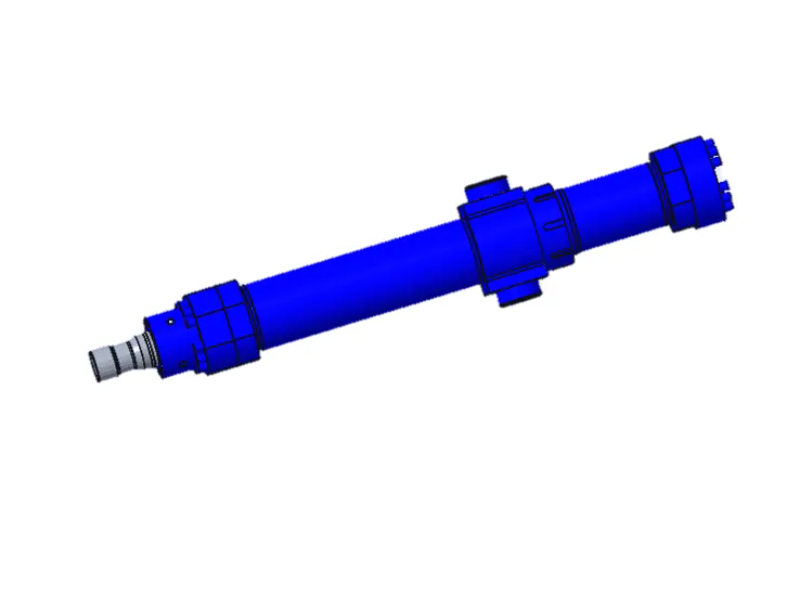
Hydraulic cylinder pumps deliver power for machines used in factories and heavy worksites. They also operate in farming areas where lifting and movement are needed. These systems fail when care and service are ignored. Regular maintenance gives smooth operation and stops early failure of main parts. northernhydraulics.netprovides detailed specifications for various pump models. Reduce downtime and repair costs with hydraulic maintenance.
Fluid quality monitoring
Contaminated hydraulic fluid destroys pumps faster than most other factors. Particles smaller than 10 microns damage internal surfaces and create wear patterns that lead to complete failure. Testing fluid samples every 500 operating hours shows contamination levels before damage happens. Oil analysis catches problems early. Viscosity changes show thermal breakdown or water contamination. Metal particles point to wear on specific parts. Labs return results within 48 hours and mark critical values that need immediate action. Changing fluid based on actual condition rather than fixed schedules saves money and stops premature wear.
Filter replacement schedules
Filters capture contaminants before they reach precision surfaces inside pump assemblies. Bypass valves open when filters get clogged, which lets dirty fluid circulate and cause damage. Pressure gauges display restriction levels across filter elements. Most systems need new filters every 1,000 operating hours. Dirty environments require more frequent changes at 500-hour intervals. Spin-on filters take minutes to replace, while cartridge-style units need housing disassembly. Return line filters catch wear particles from cylinders and motors before the fluid goes back to the reservoir. Suction strainers stop large debris from entering the pump inlet.
Temperature control systems
Excess heat harms hydraulic fluid and makes the inner parts wear faster. When the pump runs above 180°F, seals break and the oil loses strength. Watching temperature levels avoids heat damage and stops major repair costs. Coolers help keep the fluid near 120°F to 140°F during normal work time. Fan heat exchangers work well for moving machines used in outdoor conditions. Thermostatic valves skip coolers during warmup and send hot fluid through heat exchangers once the temperature climbs. Clean cooler fins monthly to keep heat transfer working properly.
Seal inspection protocols
Leaking seals waste fluid and let contaminants enter the system. External leaks show up clearly, but internal bypass happens quietly and cuts pump performance. Pressure testing finds seal problems before they cause major failures. Dynamic seals at rod interfaces need replacement every 2,000 hours in tough applications. Static seals last longer but need checks during scheduled maintenance. O-rings get hard and crack when exposed to the wrong fluids or too much heat. Backup rings stop seal extrusion under high pressure. Wipers block external dirt from rod seals and make them last longer.
Pressure relief settings
Relief valves protect pumps from pressure spikes that cause internal damage. Settings change over time as springs weaken and poppets wear down. Testing the relief valve cracking pressure checks that the system protection still works right. Valves should crack at 10 per cent above maximum working pressure. Settings too high let damaging pressure spikes through. Numbers too low waste energy and make heat as fluid bypasses all the time. Adjusting relief valves needs pressure gauges accurate to within 2 percent. Write down all pressure settings and test results for later reference.
Machines last longer when service happens on time. Prevention reduces sudden stoppage and keeps operations stable. Many firms record their service costs and compare results. Reports show that planned care costs about 30 percent less than emergency repair work. Preventive steps protect the system from heavy strain. They also save time during production and keep equipment in steady condition.